The enduring popularity of Bobby Deol is one of the most fascinating narratives of survival, transformation, and cultural resurgence in modern Hindi cinema. To understand why an actor who debuted in the mid-1990s as a romantic lead continues to command intense public fascination, digital fandom, and critical acclaim three decades later, one must look far beyond standard star power. His relevance is not merely the result of box-office hits or inherited legacy; it is built on a unique confluence of nostalgia, internet culture, physical and creative reinvention, emotional vulnerability, and an extraordinary second chapter that subverted every expectation attached to his name.
To trace the roots of his sustained popularity, one must begin with his grand arrival in 1995 with the blockbuster romance Barsaat. As the younger son of screen legend Dharmendra and the brother of action superstar Sunny Deol, expectations were immense, yet Bobby emerged with an identity distinctly his own. He was the quintessential stylish hero of late nineties Bollywood. With his signature long curly hair, sleek leather jackets, sunglasses, and effortless charm, he embodied an urban cool that appealed directly to the youth of that era. His early filmography contained classic mystery thrillers and action dramas such as Gupt: The Hidden Truth, Soldier, Ajnabee, and Humraaz. These films were not only commercial successes but were also anchored by timeless chartbuster music that defined Indian pop culture at the turn of the millennium. Songs like Naiyo Naiyo, Duniya Meerise, and Tera Rang Balle Balle became permanently etched into the collective memory of a generation. This foundational era established a deep reservoir of nostalgia that would later prove crucial to his longevity.
However, stardom in the film industry is rarely linear. As the preference of Indian cinema evolved in the mid-2000s toward different archetypes of heroism, Bobby Deol found himself struggling to navigate the changing landscape. A string of commercial disappointments, combined with the industry’s shift toward hyper-masculine leads or polished urban romances, gradually pushed him to the margins. For nearly a decade, his screen presence dwindled, leading to a quiet period where he faded from mainstream headlines. In many cases, such a hiatus marks the end of a star’s relevance. Yet, in a strange twist of modern media culture, it was precisely during his absence that a new kind of stardom began to take shape online.
The digital age birthed an unexpected phenomenon centered on the actor, often referred to affectionately by netizens as "Lord Bobby". Internet culture has a habit of reviving past icons through satire, affection, and irony. Social media pages began dissecting old clips from his 1990s and 2000s movies, finding absurd humor, high energy, and retro style in his performances. Fans shared humorous clips highlighting scene details, such as his infamous fictional DJ set or futuristic props from older films, framing him as a visionary ahead of his time. What started as lighthearted meme culture gradually transformed into genuine warm admiration. Gen Z and younger audiences, who may not have watched his films in theaters during the nineties, discovered him through short clips and social media trends. This organic digital exposure kept his name alive in public discourse when he was not actively on screen, laying a fertile ground for a comeback.
Crucially, Bobby Deol did not rely solely on internet memes to sustain his career; he used that lingering curiosity to launch one of the most remarkable professional transformations in Indian entertainment history. Recognizing that the conventional leading-man roles of his youth were no longer fitting, he made a conscious and courageous decision to reinvent himself completely. The arrival of over-the-top (OTT) streaming platforms provided the perfect canvas for this shift. Streaming rewarded age-appropriate depth, narrative risk, and complex character studies over glossy star vehicles.
His performance as the weary, brooding former policeman Vijay Singh in the digital film Class of '83 signaled that he was ready to discard his former image. But the true turning point came with the smash-hit web series Aashram, directed by Prakash Jha. In playing Baba Nirala, a chillingly manipulative and deceitful godman hiding behind a facade of spiritual benevolence, Bobby delivered a masterclass in sinister nuance. Shedding all traces of heroics, he embraced the dark, unlikable elements of the character with absolute commitment. Aashram shattered streaming viewership records, proving that he could hold millions of viewers spellbound purely through dramatic weight and acting craft.
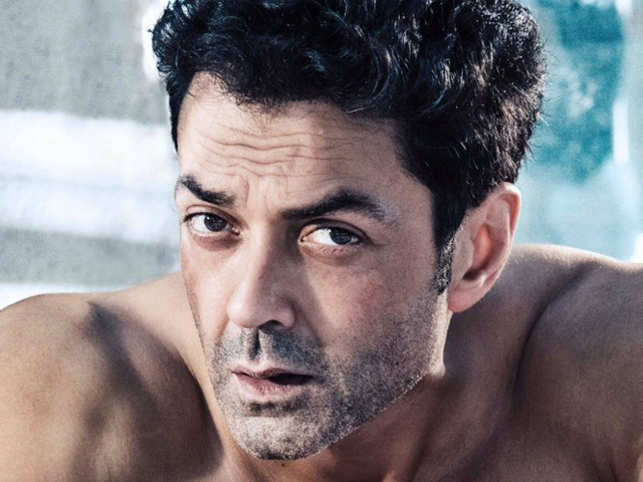
This foray into darker, morally gray, and antagonist roles ignited what critics and fans dubbed the "Bobbysance". Followed by his terrifying portrayal of a cold, relentless hitman in the thriller Love Hostel, he established himself as a formidable talent capable of terrifying intensity. He abandoned the vanity that often limits aging stars, allowing his grey beard, weathered gaze, and physical presence to add texture to his characters.
The culmination of this artistic pivot reached a crescendo with Sandeep Reddy Vanga's blockbuster Animal. Playing the mute antagonist Abrar Haque, Bobby Deol achieved something extraordinary: despite having limited screen time and virtually no spoken dialogue, his sheer physical conditioning, expressive eyes, and terrifying aura stole the film. His entry sequence set to the traditional Iranian song Jamal Kudu became a massive global viral phenomenon, spawning millions of video recreations across platforms. The contrast between his suave, dancing entry and his ruthless violent energy on screen captivated global audiences, elevating him back to mainstream stardom. His performance earned critical acclaim, major award nominations, and established him as one of the most sought-after villains in Indian cinema.
Another core reason for his immense popularity is his personal journey and open vulnerability. Unlike stars who maintain an untouchable facade, Bobby Deol has spoken with striking honesty about his years of struggle, self-doubt, unemployment, and emotional heartbreak. He publicly discussed the pain of waiting for work, the harsh realities of being sidelined by an industry that once celebrated him, and his internal struggle to rebuild his life for the sake of his family. This raw humility deeply resonated with the public. Audiences see in him a relatable figure who faced hardship, admitted his flaws, worked relentlessly on his physical fitness and craft, and fought his way back to the top. People love a comeback story, and Bobby Deol’s second innings represents the ultimate redemption arc.
Furthermore, his appeal crosses generational boundaries in a way few actors can manage. Older generations hold affection for him as the romantic youth icon of nineties cinema who starred in timeless hit songs. Younger generations celebrate him as a versatile performer willing to take on edgy, unconventional, and high-impact roles in massive spectacles and streaming series. By balancing pan-Indian film projects, high-profile streaming series, and a respectful, grounded public persona, he has bridged the gap between legacy stardom and modern cinematic demands.
Ultimately, Bobby Deol remains popular because he refused to remain a relic of the past. He transformed ironic internet fame into genuine artistic respect, shedding former vanity to reinvent himself as an actor of immense presence, grit, and power. His story is a testament to resilience, adaptability, and the enduring connection between a star and an audience that loves to watch a true underdog rise again.

Hey what a brilliant post I have come across and believe me I have been searching out for this similar kind of post for past a week and hardly came across this. Thank you very much and will look for more postings from you. Anupama Written Update https://www.tellyexpress.com/anupama-written-update/
ReplyDelete