THE MOVIE THAT NEVER GETS OLD
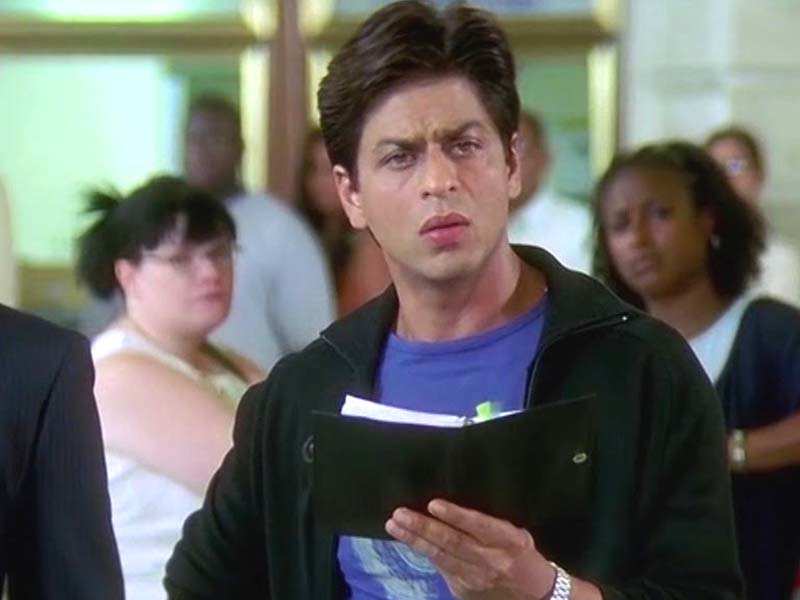
The enduring popularity of the 2003 Hindi cinematic masterpiece Kal Ho Naa Ho represents a fascinating phenomenon within global pop culture and Indian cinema.
At the center of the film's lasting influence lies its philosophical cornerstone: the imperative to live fully in the present moment. The title itself translates to "There May or May Not Be a Tomorrow," carrying a poignant reminder that human life is fragile, unpredictable, and fleeting.
The characterization within the story plays a massive role in sustaining its relevance. Shah Rukh Khan's portrayal of Aman Mathur remains one of the most iconic performances in contemporary cinema. Aman is not a traditional superhero or a flawless romantic lead; he is a terminal heart patient who hides his suffering behind relentless optimism, boundary-pushing charm, and self-deprecating wit. He intrudes upon the gloomy world of the Kapoor family, systematically repairing their fractured relationships while hiding his own tragic truth. This bittersweet dichotomy elevates the character from a typical cinematic archetype into an unforgettable symbol of unconditional love and sacrifice. Audiences remain fascinated by the tragedy of a man who teaches everyone around him how to live fully, despite knowing his own life is drawing to an agonizingly premature end.
Equally significant is the character of Naina Catherine Kapoor, portrayed with immense emotional depth by Preity Zinta. Naina serves as the grounded, relatable anchor of the entire story. Saddled with the heavy burdens of her family's financial instability, her father's tragic suicide, and the tense atmosphere created by her bitter grandmother, Naina represents the quiet despair experienced by young adults forced to grow up too soon.
The dynamic between the central trio, completed by Saif Ali Khan as Rohit Patel, redefined the modern romantic triangle in Indian cinema. Prior to this film, romantic rivalries in mainstream blockbusters often relied on antagonistic tropes or intense competition between male leads. Kal Ho Naa Ho completely inverted this formula by founding the relationship between Aman, Rohit, and Naina on genuine camaraderie, mutual respect, and sacrifice.
The movie's exploration of friendship as the bedrock of romantic love also accounts for its continued appeal.
Beyond the personal romance, the film's nuanced handling of complex family dynamics elevates it above standard genre fair.
The aesthetic presentation of the film was lightyears ahead of its time, establishing a sleek modern look that still feels remarkably contemporary today. Setting the story in New York City provided a striking contrast between the vast, cold metropolis and the warm, vibrant emotional lives of the Indian diaspora. The visual direction, captured with brilliant lighting and fluid camera movements, showcased the city's autumn colors, bustling avenues, and brownstone apartments with cinematic grandeur.
It is impossible to discuss the lasting legacy of Kal Ho Naa Ho without highlighting its phenomenal musical score, composed by the trio Shankar-Ehsaan-Loy with lyrics penned by Javed Akhtar. The album is widely considered one of the greatest soundtracks in the history of modern Indian cinema, serving not merely as decorative interludes, but as vital emotional drivers of the plot.
The soundtrack offers a rich variety of musical styles that cater to every human emotion. High-energy tracks like "Maahi Ve" capture the grand celebratory spirit of traditional pre-wedding festivities, blending contemporary pop rhythms with traditional Punjabi folk sensibilities. "It's The Time To Disco" encapsulated the early 2000s club culture, standing out as a vibrant, youthful anthem that remains a staple at celebrations. On the opposite end of the spectrum, the poignant track "Kuch To Hua Hai" tenderly chronicles the sweet, terrifying moment of falling in love, while the instrumental heart-beat background themes continuously reinforce the narrative's underlying tension. The musical architecture of the film creates an immersive atmospheric environment, making every emotional beat hit with maximum force.
Humor plays an equally crucial role in ensuring the movie's endless rewatch value. The screenplay carefully weaves lighthearted comedy into what could easily have devolved into an overly melodramatic narrative. The recurring misunderstandings involving the traditional housekeeper Kantaben, who constantly suspects a secret romantic affair between Aman and Rohit, provided ground-breaking comic relief that remains famous in popular media. Memorable side characters, such as the eccentric Frankie Ramdayal or the quirky corporate matchmaker Sweetu, add layers of playful charm to the story. This delicate equilibrium between high-stakes emotional tragedy and laugh-out-loud comedy prevents the viewer from feeling exhausted by the sorrow, creating a balanced, satisfying cinematic journey.
The movie's cultural commentary on modern relationships was also quietly revolutionary for its time. It challenged traditional narrative structures by acknowledging that first love does not always result in a happily-ever-after ending, and that life must carry on after heartbreaking loss.

In recent years, the film has found new life across digital streaming platforms and social media, introducing its magic to Gen Z and younger audiences. Scene snippets, dialogue edits, soundtrack reels, and character analyses flood internet platforms, proving that its core emotional dynamics are completely timeless. While modern film critics occasionally re-examine certain early-2000s tropes with a contemporary lens—such as Aman's high-handed matchmaking methods or the boundary-crossing neighborly interventions—these discussions only serve to keep the film actively engaged in mainstream pop culture discourse. Rather than fading into obscurity, the movie remains an active reference point for conversations about Bollywood history, romantic archetypes, and character writing.
Furthermore, the climatic sequence in the hospital, followed by the emotional epilogue set twenty years in the future, provides one of the most satisfying narratives in Indian cinema history. Aman's deathbed scene avoids cheap, sensationalized melodrama, choosing instead to focus on the quiet dignity of saying goodbye, the tender exchanges between brothers and friends, and the unspoken understandings that bind human souls together. The final monologue delivered by an older Naina to her daughter reinforces the idea that true love never vanishes; it transforms into a guiding light that accompanies us through our remaining days.

Ultimately, the enduring popularity of Kal Ho Naa Ho relies on its rare ability to make audiences laugh uncontrollably in one scene and weep uninhibitedly in the next. It is a complete cinematic experience that appeals to universal human longings: the desire to be understood, the wish to heal broken family ties, the beauty of unconditional sacrifice, and the urgent need to embrace the joy of today.

Comments
Post a Comment